
Why is It Important to Stay Social and Interactive in a Memory Care Home?
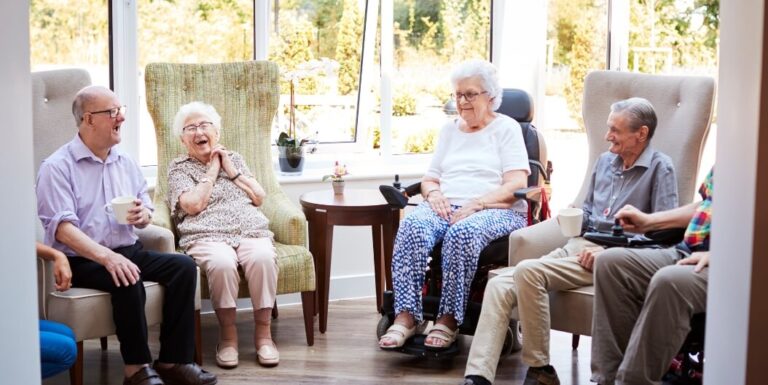
When you visit your loved one in memory care, it’s often the small moments that remain with you long after you drive away. It’s their eager grasp for your hand, or the brightness in their eyes when a neighbor stops to say hello, or even the silent sigh of relief you exhale as you watch them interact with someone else. When your loved one is suffering from dementia, these little moments make your day.
Social engagement often provides your loved one with something that memory can’t do alone: a feeling of safety and emotional relaxation. In this post, we’ll discuss the importance of socialization in a memory care home and how connection plays a vital role in your loved one’s well-being, even as their cognitive functions decline.
Why Staying Social and Interactive Matters in a Memory Care Home
The way your loved one sees the world can change as dementia grows, so being around others becomes more meaningful. This social interaction plays a vital role in emotional stability, gentle cognitive engagement, and overall well-being. Social interaction can be helpful in a memory care home in the following ways:
Boosting Emotional Well-Being
People with dementia frequently experience emotional changes. Thus, social interactions help a lot. Small things like a shared smile oftentimes ease the emotional breakdowns that senior residents experience as severe dementia symptoms. These simple yet powerful lifts add up, shaping a calmer day overall.
Supporting Cognitive Health
The brain still reacts well to stimulation, even though dementia can impair memory. Group activities, music, art, and conversations all help stimulate various mental areas. Even just hearing other voices, feeling different textures, or joining a familiar routine can provide the stimulation these people need. Consistent interactions help them stay present. It can also make them feel a sense of belonging and connectedness to their surroundings, supporting awareness and responsiveness.
Maintaining Sense of Self
One of the most complex parts of dementia is how your loved one’s identity fades. Social connections can help them retain some of those pieces. Talk about memories, join in their hobbies, and listen to the music they recognize. These small things can help them maintain their sense of self. Therefore, when the details start to disappear, emotional memory remains intact. Group interaction reminds them that they are still a member of something profound and significant.
Strengthening Physical Health
Many social activities are pretty encouraging. Group walks, participation in activities, and even some light exercises can benefit physical health and circulate energy. These activities can also improve sleep patterns and reduce restlessness. Additionally, individuals can easily contribute to a social setting because it doesn’t feel like an exercise. Such activities are encouraging, making people feel like part of something meaningful.
Building a Daily Routine
Routine brings comfort and makes things predictable. Predictability reduces confusion and anxiety in dementia. Your loved one can create a familiar rhythm and flow with social activities that feel comforting and consistent. This can include morning walks, afternoon activities, and even relaxing evening gatherings, thereby reducing confusion and uncertainty between different parts of the day. Moreover, this helps with smooth transitions and supports better sleeping patterns, which contribute to overall health.
Promoting Safety and Providing Support
Spending too much time alone can create confusion and even lead to wandering behaviors for individuals with dementia. Social interaction can avoid these risks. It naturally brings your loved one into shared spaces where they are gently supported. Plus, they are never far from a caregiver’s reassuring presence. Caregivers can step in with gentle prompts during group activities throughout the day, such as offering encouragement or redirecting with calmness where needed. This kind of steady, compassionate supervision happens almost effortlessly with a community-focused environment.
A Memory Care Community Where Connection and Comfort Come First
Social engagement plays a key role in enhancing your loved one’s psychological well-being. They can feel calmer and brighter, knowing that they are surrounded by compassionate caregivers, engaging activities, and a community that understands them. That is why Magnolia Court Assisted Living & Memory Care offers a warm setting. We encourage our beloved residents to participate in social activities, which helps them feel included, comforted, and emotionally secure.
If you are looking for a memory care community for your senior loved one that prioritizes understanding, care, and empathy, consider Magnolia Court Assisted Living & Memory Care. Contact us to schedule a visit and experience the added sense of comfort and stability.