
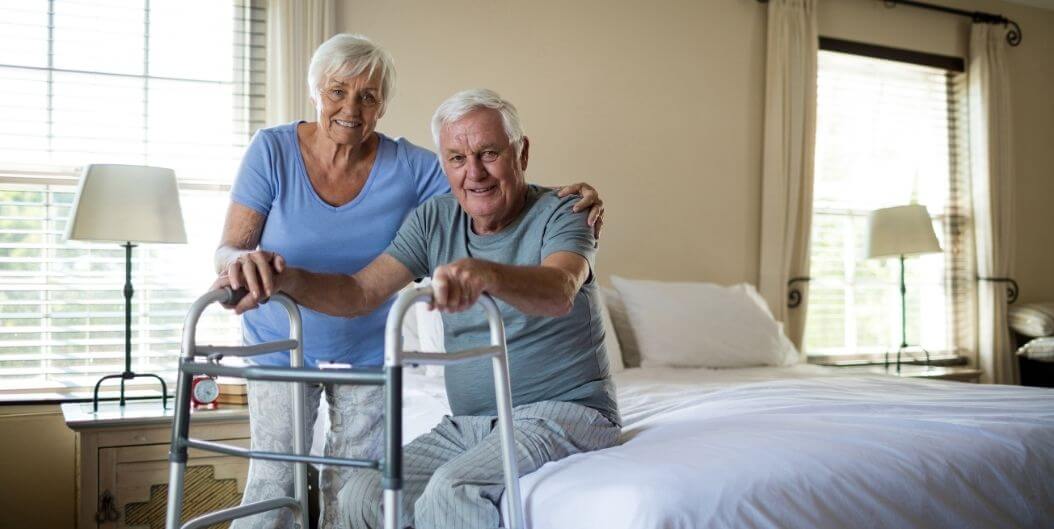
Safety Risks for Seniors and How Assisted Living Helps
A slippery bathroom floor, a skipped meal, a missed dose of medication, or a quiet week without much company. On their own, these moments may not seem like much. Over time, though, everyday risks like these can add up and make living at home feel less safe for an older adult.
If you are a family member, you may find yourself worrying about your loved one more often than you would like. Are they eating well? Would anyone know if they fell? Are they getting out and seeing people? Assisted living can ease many of these concerns by placing support, meals, and companionship close by every day of the year.
Below, we look at five common safety risks for seniors, how assisted living helps address each one, and the questions worth asking as you explore communities.
Why Safety Risks Grow for Seniors Over Time
As we age, the body changes in ways that can affect daily safety. Balance and reaction time may slow, the sense of thirst can weaken, and the body becomes less efficient at regulating temperature. Some medications can also cause dizziness or fatigue. At the same time, managing a home, cooking, and keeping up with appointments can become more tiring.
None of this means aging has to feel unsafe. It simply means a little extra support goes a long way. Knowing which risks to watch for helps you and your loved one plan ahead and make choices with confidence.
Safety Risk 1: Slips and Falls
Falls are one of the most common safety concerns for older adults. Wet floors, loose rugs, stairs, dim lighting, and cluttered walkways can all lead to a slip, and a fall can result in injuries that take time to heal.
Assisted living communities are designed with fall prevention in mind. Stair-free environments, safety-equipped bathrooms, and wheelchair-accessible spaces make it easier to move through the day safely. Help is also close by when your loved one needs a steady arm or assistance with daily tasks.
Staying active plays a role, too. Regular movement helps maintain strength and stability, and simple balance exercises can help reduce the risk of slips and trips. You can also encourage your loved one to wear supportive, nonslip footwear and to take their time when standing up or moving between rooms.
Safety Risk 2: Heat, Cold, and Temperature Changes
Older adults are more sensitive to temperature extremes. In Texas, hot summer days can lead to overheating and heat-related illness, while sudden cold snaps can bring the risk of hypothermia, which happens when body temperature drops below 95°F. Both can develop even indoors if a home becomes too warm or too cool.
Early warning signs can be subtle. With heat, watch for heavy sweating, weakness, dizziness, or nausea. With cold, look for shivering, cold hands and feet, pale skin, sleepiness, or confusion. Because older adults may not always notice these changes in themselves, having others nearby who can spot them makes a real difference.
In assisted living, your loved one is never far from support. Around-the-clock access to care means team members are available to check in and respond if something seems off. Living in a well-maintained apartment also removes the worry of managing an aging air conditioner or furnace at home. Dressing in layers and staying hydrated are simple habits that help in any season.
Safety Risk 3: Dehydration and Poor Nutrition
Dehydration is a common and often overlooked risk for seniors. The sense of thirst can weaken with age, and some medications increase fluid loss. Over time, low fluid intake can lead to fatigue, dizziness, confusion, and a higher risk of falls.
Nutrition matters just as much. Balanced meals give the body the energy it needs to stay strong and support overall health. When cooking feels like a chore or grocery trips become harder, meals can get skipped or replaced with less nourishing options.
Assisted living takes this off your loved one’s plate, literally. Three chef-prepared meals served each day, with dietary requirements taken into account, help keep nutrition consistent. The dining room also becomes a natural place to enjoy a drink and conversation with friends. Many communities find thoughtful ways to encourage healthy eating habits, which makes it easier for your loved one to stay nourished and hydrated without extra effort.
Safety Risk 4: Medical Needs and Emergencies
Living alone can make health emergencies more stressful. A missed medication, a sudden illness, or a storm that knocks out power can quickly become difficult to manage without someone nearby. For someone who relies on prescriptions or medical devices, even small disruptions can matter.
One of the biggest advantages of assisted living is that your loved one is not facing these situations alone. Team members are on hand around the clock, and on-call nursing provides added reassurance. Medication management and pharmacy services help keep prescriptions on track, and visiting healthcare services bring support right to the community.
Every community handles emergency preparedness a little differently, so it is worth asking directly about plans for severe weather and power outages during your visit. Understanding these details can bring real peace of mind.
Safety Risk 5: Isolation and Loneliness
Isolation may not seem like a safety issue at first, but it can have a meaningful effect on health and well-being. When an older adult spends most days alone, changes in health or mood can go unnoticed. Loneliness can also affect motivation, appetite, and sleep.
Assisted living helps keep your loved one connected. A seven-day activity calendar, group activities, group exercise classes, happy hours, and weekly group outings offer plenty of reasons to get up and get together. Shared meals in the bistro create everyday chances for conversation and friendship, and neighbors naturally look out for one another.
Your loved one’s own space matters, too. A comfortable private apartment with a kitchenette offers a quiet retreat for rest and relaxation, and exploring the available floor plans can help you picture a warm, welcoming home. With friends and activities just down the hall, your loved one can enjoy both privacy and community.
Safety Questions to Ask an Assisted Living Community
As you explore communities, these questions can help you understand how your loved one’s safety will be supported:
- What features help prevent falls in apartments, bathrooms, and shared spaces?
- How quickly can residents get help if they need it, day or night?
- How is medication management handled, and who oversees it?
- How are hydration and nutrition encouraged throughout the day?
- What is the plan if severe weather or a power outage affects the community?
- What activities and outings help residents stay social and engaged?
- How does the team keep families informed about changes in their loved one’s health?
The answers will give you a clear picture of how a community approaches safety and how your loved one’s daily comfort is supported.
Keeping Your Loved One Safe and Supported
Safety risks for seniors range from falls and temperature changes to dehydration, medical emergencies, and isolation. With the right support, though, these risks become far easier to manage. Consistent meals, accessible spaces, help available around the clock, and a full calendar of activities all work together to keep your loved one safe, healthy, and connected.
Peace of Mind Every Day at Magnolia Court Assisted Living & Memory Care
At Magnolia Court Assisted Living & Memory Care in Nacogdoches, Texas, we help our residents feel safe and supported every day. Our Assisted Living residents enjoy 24/7 access to care, on-call nursing, medication management, pharmacy services, stair-free environments, safety-equipped bathrooms, and wheelchair accessibility, along with daily living assistance, housekeeping, and scheduled transportation.
Three chef-prepared meals each day, a seven-day activity calendar, group exercise classes, and weekly group outings keep life full and social, while one- and two-bedroom apartments with kitchenettes offer a comfortable place to unwind. We would love to welcome your family for a personal tour and answer any questions about how we support your loved one’s safety and well-being.